Schengen short-stay · Slovenia
Visa requirements for Slovenia (Schengen)
Slovenia has a small Schengen footprint but disproportionate scrutiny on Western Balkan applications — 78.6% approval reflects tough first-time decisions.
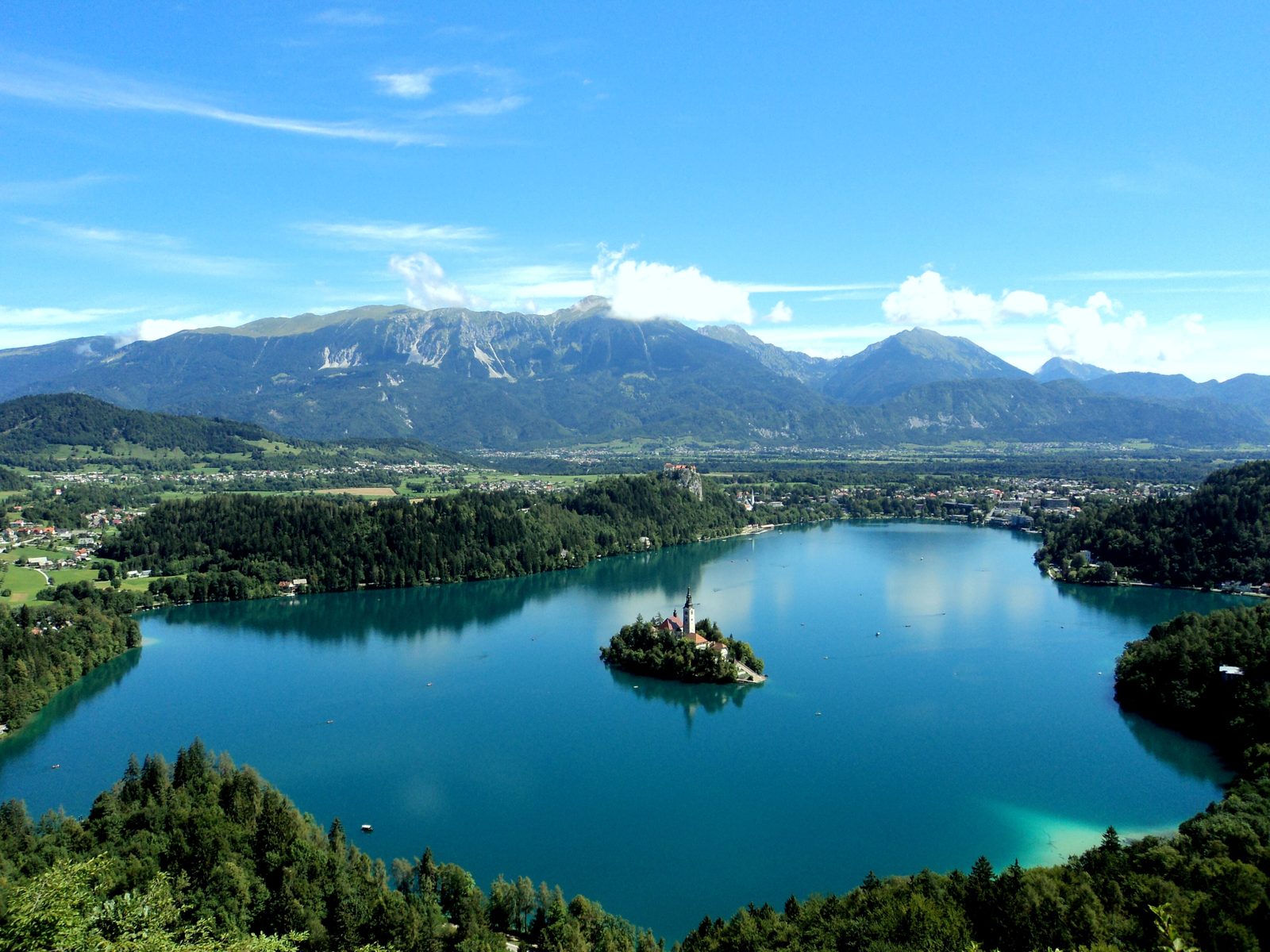
Visa required?
—
Pick your passport to see if you need a visa for Slovenia
Approval rate
78.6%
15,348 issued in 2025
Difficulty
🔴 Strict
Tight scrutiny — small gaps cause refusals.
Section 1
Visa rules overview
The Schengen short-stay (Type C) visa lets you visit Slovenia and the wider Schengen Area for up to 90 days in any 180-day period.
Maximum 90 days per 180-day rolling period across the whole Schengen Area. No paid work allowed on a C-visa.
- Tourist (C-visa) — Holidays, sightseeing, visiting friends.
- Business (C-visa) — Meetings, conferences, contract negotiations.
- Family visit (C-visa) — Visiting a relative or Slovenia resident.
- Airport transit (A-visa) — Layovers in Slovenia airports for select nationalities.
- Long-stay national (Type D) — Stays over 90 days for work, study, family or residence.
- Digital Nomad Visa — Remote work permit for 12 months
- Passport valid 3+ months beyond planned departure, issued within the last 10 years.
- Travel medical insurance covering €30,000 across all Schengen states.
- Proof of accommodation for the full stay (hotels, host invitation, or rental).
- Proof of funds — Slovenia expects €70/day for adults.
- Return or onward ticket and a coherent day-by-day itinerary.
Section 2
Who can enter Slovenia
93 passports enter Slovenia without an advance visa
Slovenia ranks #79 for openness
Visa-free, visa on arrival and eTA combined, out of 198 passports in our dataset. How we count
Openness reflects visa policy only — not safety, government travel advisories, or how easy the country is to travel in.
- Visa-free
- 93
- Visa on arrival
- 0
- eTA
- 0
- eVisa
- 0
- Visa required
- 105
- Albania90 days
- Andorra90 days
- Antigua and Barbuda90 days
- Argentina90 days
- Australia90 days
- Austria
- Bahamas90 days
- Barbados90 days
- Belgium
- Bosnia and Herzegovina90 days
- Brazil90 days
- Brunei90 days
- Bulgaria
- Canada90 days
- Chile90 days
- Colombia90 days
- Costa Rica90 days
- Croatia
- Cyprus
- Czechia
- Denmark
- Dominica90 days
- El Salvador90 days
- Estonia
- Finland
- France
- Georgia90 days
- Germany
- Greece
- Grenada90 days
- Guatemala90 days
- Honduras90 days
- Hong Kong90 days
- Hungary
- Iceland
- Ireland
- Israel90 days
- Italy
- Japan90 days
- Kiribati90 days
- Kosovo90 days
- Latvia
- Liechtenstein
- Lithuania
- Luxembourg
- Macao90 days
- Malaysia90 days
- Malta
- Marshall Islands90 days
- Mauritius90 days
- Mexico90 days
- Micronesia90 days
- Moldova90 days
- Monaco90 days
- Montenegro90 days
- Netherlands
- New Zealand90 days
- Nicaragua90 days
- North Macedonia90 days
- Norway
- Palau90 days
- Panama90 days
- Paraguay90 days
- Peru90 days
- Poland
- Portugal
- Romania
- Saint Kitts and Nevis90 days
- Saint Lucia90 days
- Saint Vincent and the Grenadines90 days
- Samoa90 days
- San Marino90 days
- Serbia90 days
- Seychelles90 days
- Singapore90 days
- Slovakia
- Solomon Islands90 days
- South Korea90 days
- Spain
- Sweden
- Switzerland
- Taiwan90 days
- Timor-Leste90 days
- Tonga90 days
- Trinidad and Tobago90 days
- Tuvalu90 days
- Ukraine90 days
- United Arab Emirates90 days
- United Kingdom90 days
- United States90 days
- Uruguay90 days
- Vatican City90 days
- Venezuela90 days
No passports match this filter.
No passports match this filter.
No passports match this filter.
- Afghanistan
- Algeria
- Angola
- Armenia
- Azerbaijan
- Bahrain
- Bangladesh
- Belarus
- Belize
- Benin
- Bhutan
- Bolivia
- Botswana
- Burkina Faso
- Burundi
- Cabo Verde
- Cambodia
- Cameroon
- Central African Republic
- Chad
- China
- Comoros
- Congo
- Côte d'Ivoire
- Cuba
- Djibouti
- Dominican Republic
- DR Congo
- Ecuador
- Egypt
- Equatorial Guinea
- Eritrea
- Eswatini
- Ethiopia
- Fiji
- Gabon
- Gambia
- Ghana
- Guinea
- Guinea-Bissau
- Guyana
- Haiti
- India
- Indonesia
- Iran
- Iraq
- Jamaica
- Jordan
- Kazakhstan
- Kenya
- Kuwait
- Kyrgyzstan
- Laos
- Lebanon
- Lesotho
- Liberia
- Libya
- Madagascar
- Malawi
- Maldives
- Mali
- Mauritania
- Mongolia
- Morocco
- Mozambique
- Myanmar
- Namibia
- Nauru
- Nepal
- Niger
- Nigeria
- North Korea
- Oman
- Pakistan
- Palestine
- Papua New Guinea
- Philippines
- Qatar
- Russia
- Rwanda
- Sao Tome and Principe
- Saudi Arabia
- Senegal
- Sierra Leone
- Somalia
- South Africa
- South Sudan
- Sri Lanka
- Sudan
- Suriname
- Syria
- Tajikistan
- Tanzania
- Thailand
- Togo
- Tunisia
- Turkey
- Turkmenistan
- Uganda
- Uzbekistan
- Vanuatu
- Vietnam
- Yemen
- Zambia
- Zimbabwe
Section 3
Who gets approved easily in Slovenia
Strong applicants
~85% approval · Very high success
- —Prior Schengen, UK, US or Canada visas used cleanly.
- —Stable salaried employment with leave letter.
- —6+ months of consistent bank statements covering trip costs 2–3×.
- —Confirmed accommodation and detailed itinerary across Slovenia.
Average applicants
~79% approval · Moderate success
- —First-time Schengen with one or two prior non-Schengen visas.
- —Self-employed or contract worker with tax filings.
- —Moderate savings — covers the trip but little buffer.
- —Itinerary covers Slovenia but with a few loose days.
Weak applicants
~44% approval · High rejection risk
- —No prior international travel history.
- —Unemployed, recently graduated, or unverifiable income.
- —Bank balance appears suddenly inflated before applying.
- —Vague itinerary, no accommodation bookings, long trip duration.
Section 4
Common Slovenia rejection reasons
Financial inconsistencies
Sudden large deposits, mismatched salary slips and bank credits, or balances that don't comfortably cover the trip are the leading reason Slovenia consulates refuse.
Weak travel history
First-time international travellers face extra scrutiny. Slovenia treats clean prior Schengen, UK, US, Canada, Australia or Japan stamps as a strong positive signal.
Document mismatch
Dates on flights, hotels, insurance and the cover letter must align exactly. Even a one-day mismatch in insurance coverage triggers refusals under code 7.
Weak ties to home country
Unemployment, no property, no dependents and no leave letter make officers doubt you'll return. A sponsor letter or employer guarantee mitigates this.
Slovenia-specific quirk
Slovenia is often used by Western Balkan applicants as a fallback when other Schengen states refuse — consulates know this and weigh prior refusals heavily.
Section 5
Strategy tips that actually move the needle
Tip 01
Apply through VFS Global where present; otherwise Slovenian embassies directly
Slovenia outsources intake to VFS Global where present; otherwise Slovenian embassies directly. Use the operator listed for your jurisdiction — the wrong operator means your file is returned unprocessed.
Tip 02
Book early — slots open 6 months ahead
Slovenia lets you apply up to 6 months before travel. Apply 8–12 weeks out: enough lead time for processing, but recent enough that financial proof is still fresh.
Tip 03
Pre-book refundable accommodation for the full stay
Use refundable Booking.com or Expedia reservations covering every night in Slovenia. Consulates routinely cross-check dates against your flights.
Tip 04
Write a tight cover letter
One page: who you are, what you do, why Slovenia, where you'll stay, how it's funded, and that you'll return. Officers read these.
Tip 05
Watch the busiest posts
Slovenia's heaviest-volume consulates are in Belgrade, Sarajevo, Skopje, Tirana, Moscow. If you're applying there, expect longer queues and book early.
Best Schengen entry strategy
Slovenia is the right Schengen entry point when Slovenia is genuinely your main destination — most nights spent here — or your first port of entry. Otherwise apply at the country where you'll spend the most time; the wrong consulate is grounds for refusal.
When to apply
Submit 8–12 weeks before departure. Earliest allowed is 6 months out; latest is 15 days before travel, but waits at busy Slovenia posts (Belgrade, Sarajevo, Skopje) regularly hit 30–60 days.
At the border
Arriving in Slovenia
Carry your full file in hand luggage
Slovenia border officers can ask for the same documents you submitted: passport, visa, insurance, accommodation bookings, return ticket and proof of funds. Refusals at the border do happen — keep printed copies.
Expect a short purpose-of-visit interview
Officers typically ask where you're staying, how long, who you're visiting and how the trip is funded. Answers should match your visa application exactly.
EES is live
The EU Entry/Exit System (EES) became fully operational across all Schengen external borders on 10 April 2026. Non-EU short-stay travellers are now registered biometrically (fingerprints + facial image) instead of getting a passport stamp.
ETIAS is coming
ETIAS — the EU's pre-travel authorisation for visa-exempt nationals — is scheduled to start in the last quarter of 2026, with a transitional period. If you're visa-exempt, you'll eventually need a €7 ETIAS (free for under-18s and over-70s) approved online before boarding. Schengen visa holders do not need ETIAS.
Staying longer
Beyond 90 days in Slovenia
Single residence and work permit
Sponsored by a Slovenian employer; quota system applies.
Residence for self-employed
Requires viable business activity and proof of funds.
Long-term residence (5 years)
Issued after 5 years of continuous lawful residence.
If things go wrong
Refusals, overstays & emergencies in Slovenia
Refusal — read the codes first
The refusal letter lists numbered grounds (1–13). Codes 2, 7 and 9 (purpose, insurance, itinerary) are fixable with a clean re-application; code 4 (false documents) is not.
Appeal options
Appeal to the Administrative Court of Slovenia within 8 days.
Re-apply with stronger evidence
Most applicants re-apply rather than appeal — it's faster. Address every refusal code directly in a new cover letter and add the documents that were missing.
Overstay penalties
Overstaying a Schengen visa in Slovenia can mean a fine, deportation, and an entry ban of 1–5 years recorded in SIS — affecting every Schengen country, not just Slovenia.
Lost or stolen passport in Slovenia
Report immediately to the local police, then contact your embassy or consulate in Slovenia for an emergency travel document. Keep a copy of the police report for re-entry.
Section 6
Compare with alternatives
Slovenia vs Croatia
Same Adriatic profile, slightly better approval rate.
See Croatia hubSlovenia vs Hungary
Higher approval and easier appointments in the Balkans.
See Hungary hubSection 7
Check your approval chance for Slovenia
Pick your passport and answer a few profile questions. The simulator scores you against every Schengen consulate — including Slovenia.
Your profile
Tell us about yourself
Ties to home country
The #1 reason listed on Schengen refusal letters is "intention to leave before visa expires could not be ascertained." Your score here is built from the specific factors below.
Your approval chance for Slovenia
Slovenia
Low risk · high confidence
Indicative base of ~12% refusal for India → Slovenia. Spread is illustrative, not reconciled to official totals.
Safest alternative: Italy (~91%)
range 82–90%
How other Schengen consulates compare for your profile
- 1Italy87–95%91%
- 2Romania86–94%90%
- 3Slovakia85–93%89%
- 4Bulgaria85–93%89%
- 5Greece85–93%89%
- 6Hungary84–92%88%
Why your score isn't higher
- Ties to home country — Without property, dependents or student enrolment, return intent is hard to prove.(medium impact)
- Financial strength — Income or savings band is below the comfort threshold most consulates expect.(low impact)
Recommended approach
- 1.Apply via Italy — your best statistical outlook at ~91%.
- 2.Build a day-by-day itinerary with city transitions and pre-booked entry tickets.
- 3.Attach property deeds, a rental lease in your name, or a land title to prove a fixed address back home.
- 4.Show 3–6 months of consistent bank statements before submitting.
- If you raised savings to €15k+88%+2
- If you had a prior Schengen visa87%+1
- If you booked hotels & a clear itinerary88%+2
How we calculate this
The base layer for each country is an indicative nationality × member-state refusal rate — a representative figure in the ballpark of publicly reported corridor patterns, used to give a realistic spread between consulates for your passport. These numbers are not pulled row-by-row from the EC consulate dataset and have not been reconciled to the published national totals. Corridors marked Indicative use this layer; others fall back to the member-state aggregate plus a passport-tier adjustment.
Your personal profile is then scored on five factors (travel history 25%, ties to home country 25%, financial strength 20%, employment stability 15%, trip clarity 15%) and used to nudge the baseline up or down, with a small extra penalty at stricter consulates.
Background reference: European Commission, DG HOME — Schengen short-stay visa statistics. National (member-state) approval rates in the table are from the 2024 EC release; the per-corridor spread is our own estimate, not an official figure.
Estimates are based on historical trends and self-reported inputs, not official embassy decisions. Treat them as planning ranges.
Calculator
Schengen 90/180-day stay calculator
Add your past and planned trips to see how many days you've used in your current 180-day rolling window and how many you have left.
23 Apr 2026 – 19 Oct 2026
Days used
0
in last 180 days
Days remaining
90
of 90 allowed
Status
90 day(s) left to use
180-day overview
The calculator counts every day you spent in the Schengen Area within the 180-day rolling window ending on your chosen check date. Entry and exit days both count as full days. If you are currently over the 90-day limit, you must leave the Schengen Area until enough days roll out of the window.
FAQ
Slovenia Schengen visa — quick answers
Do I need a visa for Slovenia?+
If your passport isn't on the Schengen visa-free list (EU/EEA, US, UK, Canada, Australia, Japan, Singapore, most of Latin America and the GCC, etc.), yes — you need a Schengen short-stay (Type C) visa.
How long can I stay in Slovenia on a Schengen visa?+
Up to 90 days within any rolling 180-day period, across the whole Schengen Area — not just this country.
What is Slovenia's Schengen visa approval rate?+
78.6% in 2025 — 15,348 visas issued out of 20,279 applications.
Where do I apply for a Slovenia Schengen visa?+
Through VFS Global where present; otherwise Slovenian embassies directly. The exact centre depends on your country of residence — check the Slovenia foreign ministry's visa page for your jurisdiction.
What happens if my Slovenia visa is refused?+
You receive a refusal letter with one or more standard codes (1–13). Appeal to the Administrative Court of Slovenia within 8 days.
More
 Italy
Italy Germany
 Spain
Spain Greece
 Netherlands
 Switzerland
 Portugal
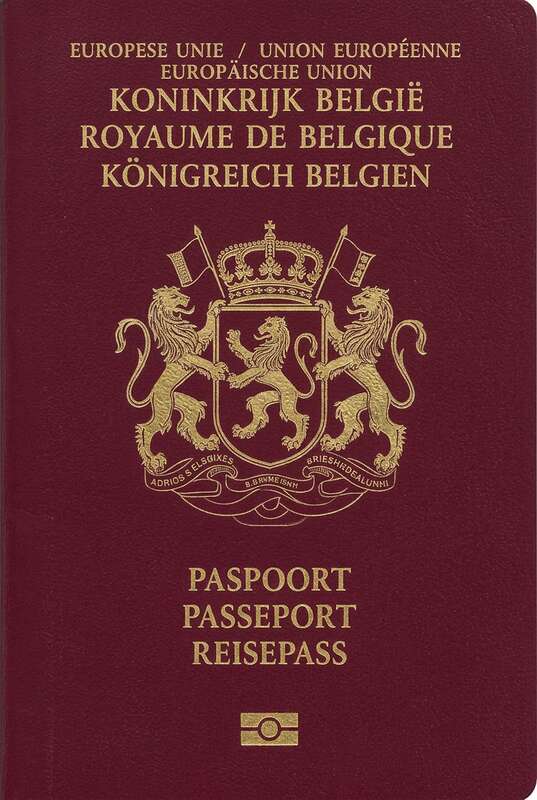 Belgium
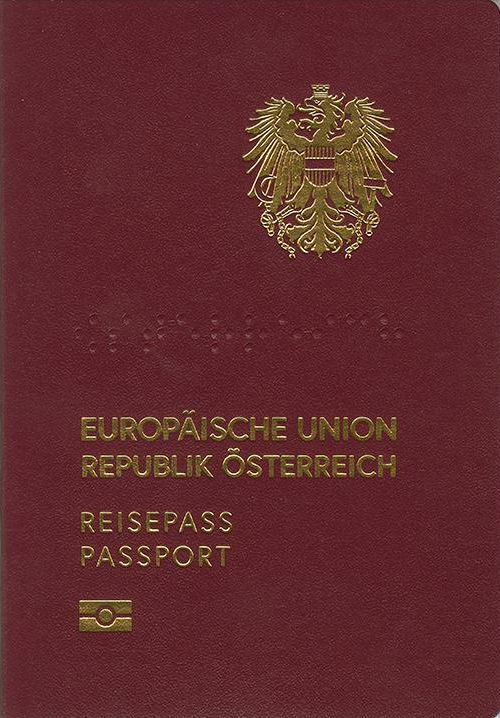 Austria
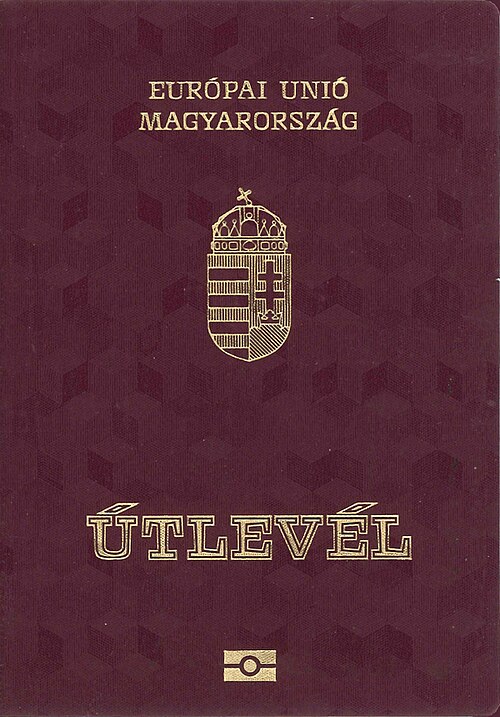 Hungary
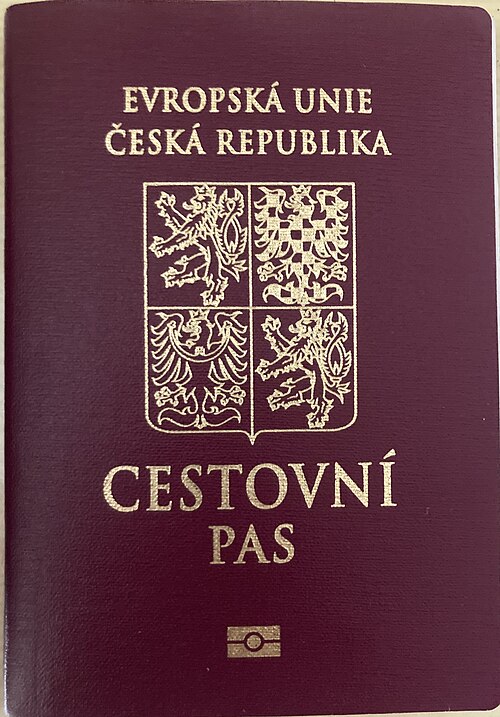 Czech Republic
 Denmark
 Sweden
 Norway
 Finland
 Iceland
 Poland
 Slovakia
 Croatia
 Romania
 Bulgaria
 Luxembourg
 Latvia
 Lithuania
 Estonia
 Malta
Malta Liechtenstein
 France